Entrances to the work: Efva Lilja on A Life as Right as Rain
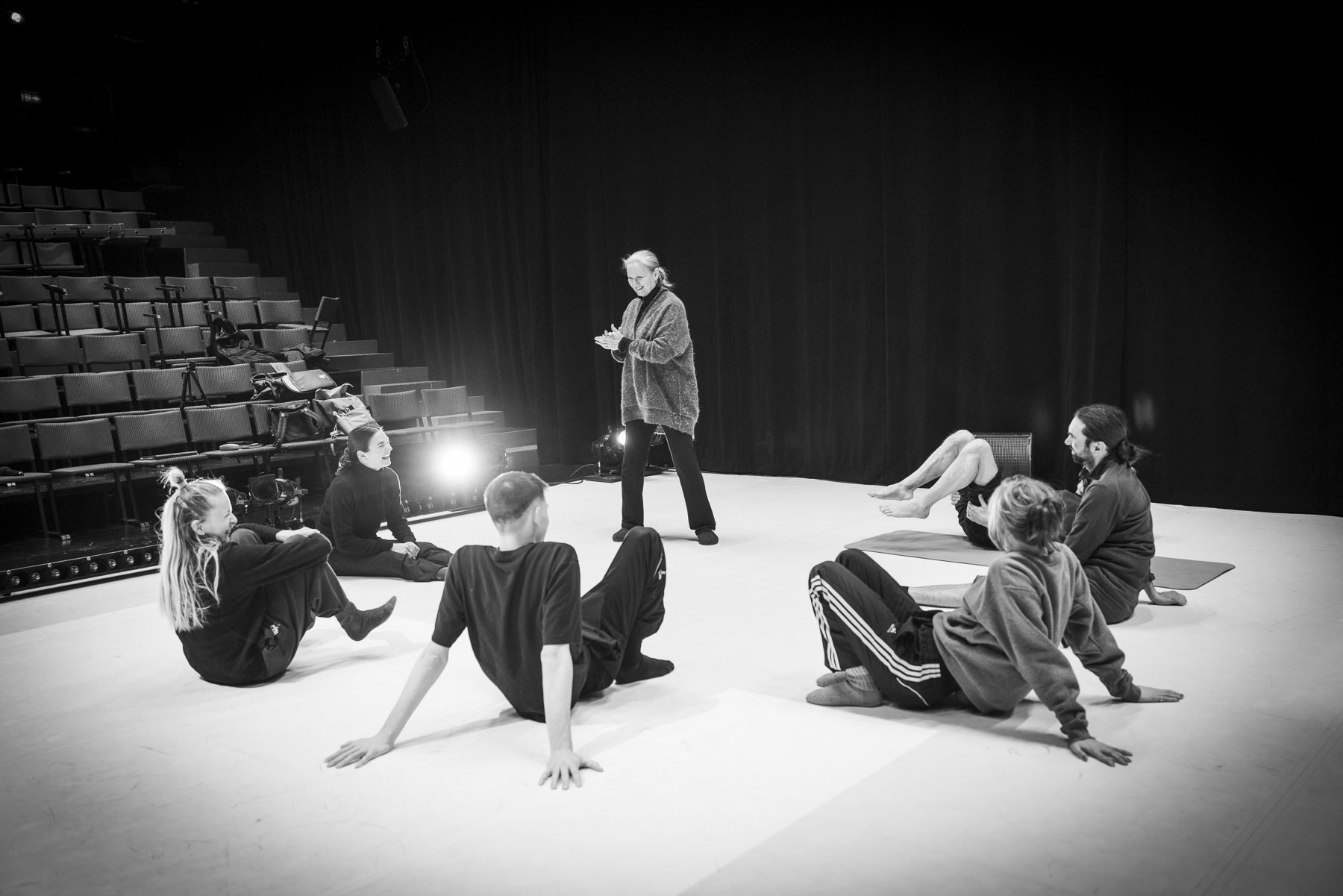
From north to south in our oblong country. From experimental performance spaces to opera houses and metropolises around the world. From polar expeditions in the Arctic ice, from Harleygarage to meetings with kings and presidents. From growing up in a small town to becoming a global citizen and dancer, choreographer, activist and champion of an art form that is often marginalised, Efva Lilja's work fascinates, provokes and above all engages people.
What is the show about?
Titles A Life as Right as Rain is an English saying that refers to ”the good life”, to what we can consider a good life today in the current world. We ask ourselves how concerns about war, terrorism, climate change, environmental problems, the economy and other issues affect the way we live. We know that worry often generates fear and a sense of inadequacy. But what does it do to our way of living, experiencing and feeling, all that makes us who we are, what we do and what we will do? All the things that become personal, cultural or political memories? The performance is about these daily questions and nocturnal dilemmas, about what the alternatives look like, how we can make room for good forces, enjoyment and positive thinking. Maybe love.
How did the idea come about?
I work with an exploration of the relationship between the mental and the physical, the individual and the collective, of all that is expressed through our movements and voices, experiences and memories. I use choreography to reveal, restructure and reformulate the increasingly harsh conditions imposed by politics and the world around us. Our last work was about personal and relational memories. Then the realisation grew of the importance of also physically embodying cultural and political memories, of tackling what is happening here and now with a strong future focus on the question of the good life.
Are you looking for special characteristics in your participants?
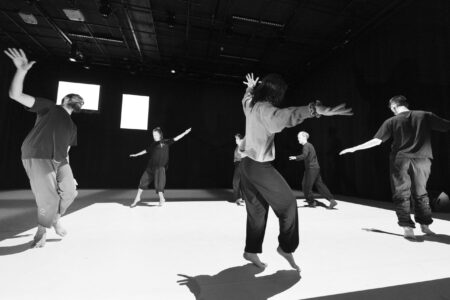
Yes, always! We have to find and choose each other. Much is about risk-taking. Daring to go beyond what we already know and are able to do in order to search further with attention and curiosity. The body remembers more than we think we know. Physical and intellectual layers of consciousness intersect in movements back and forth. Sometimes we catch one, sometimes the other. Making sense of this mess is what makes choreography interesting.
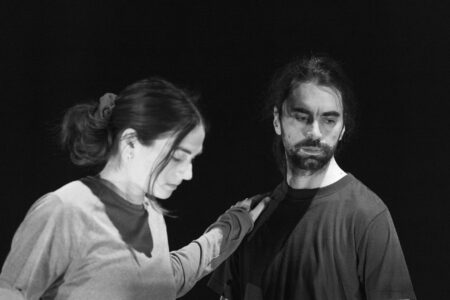
In dance, touching, approaching or distancing are always present. Touching, falling, lying on each other, rolling, hitting, sweating, keeping distance, fighting resistance, getting tangled up in each other's clothes and consciousness... It's also something you have to dare. So, yes, I am looking for brave, wise collaborators who can share my conviction about the importance of art for a good life.
How do you make them understand what is to be portrayed?
I try to meet everyone with open eyes and good thoughts. I try to be as present as I can where I am, to be as prepared as I can for what will happen when body meets body and mind meets mind. Together we explore what the body remembers. But no matter how much you share, the artistic process is lonely. In being alone, the hardest thing is to keep yourself and not become what you think others think you are. It can be so much easier to hide than to expose yourself. I try to instil courage when someone is hesitating and a desire to approach the uncertain.
Everyday life is so full of movement. Life itself is movement. Choreography provides an opportunity to visualise, perhaps clarify, the very meaning. A kind of dissection of the various components of life and then an assembly of that which can provide completely new insights, images and processes in political, social and philosophical contexts. Dance as a cultural cement in the processes of change of our time. The movement, the touch, the physical experience is what draws memories out of the hiding places of oblivion.
What happens if someone doesn't want to do what you intended?
Questioning is an important part of the artistic process. I take the ultimate responsibility for what becomes the performance, but the way there is a joint give and take. I propose movement material that we test together and sometimes have to rethink before it becomes what we can all stand for. In my inner darkness, doubt often grows. How can we move forward? The dance, and both the dancers and the composer's input, sharpen the attention.
What role does music play?
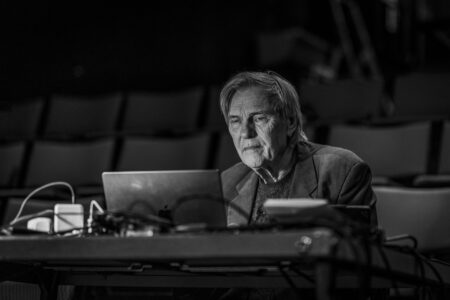
I have always worked with original music for my works. The collaboration with the composer is a way for us dancers to explore the theme from yet another dimension and is crucial to your experience of the work. The music develops in parallel with the dance, or perhaps I should say in dialogue with the dance, and thus becomes part of the whole. Just as the dancers and I choose each other, so do the composer and I.
Am I important as an audience?
Yes, without you, there is no dance. We see, experience and feel differently. The audience's (your) experience cannot be questioned. If you want, we can always talk about it, but the subjective experience and perception counts. That is the audience's (your) prerogative. But the dance should not be swallowed too easily. The flavour should emerge slowly, searching and perhaps finding voids to fill.
Can the dancers feel my reactions?
Yes, when we work in such an intimate forum as the Blackbox stage offers, we are close to each other. We hear and feel your breaths and reactions in the same way you can experience ours. We are there together.
As an audience member, what would you like me to take away from the performance?
As more and more people live with fear and anxiety in their daily lives, it affects the way we are together. It affects how we look, how we listen, what we choose to see and hear. Through the artistic experience we can come closer to an understanding of spiritual wounds and losses, closer to a longing, but also closer to a physical warmth, presence and enjoyment if we so wish. I hope that you will leave the meeting with us touched, reminded, with feelings, thoughts and thoughts that you can take further. Perhaps thoughts about what is a good life for you?